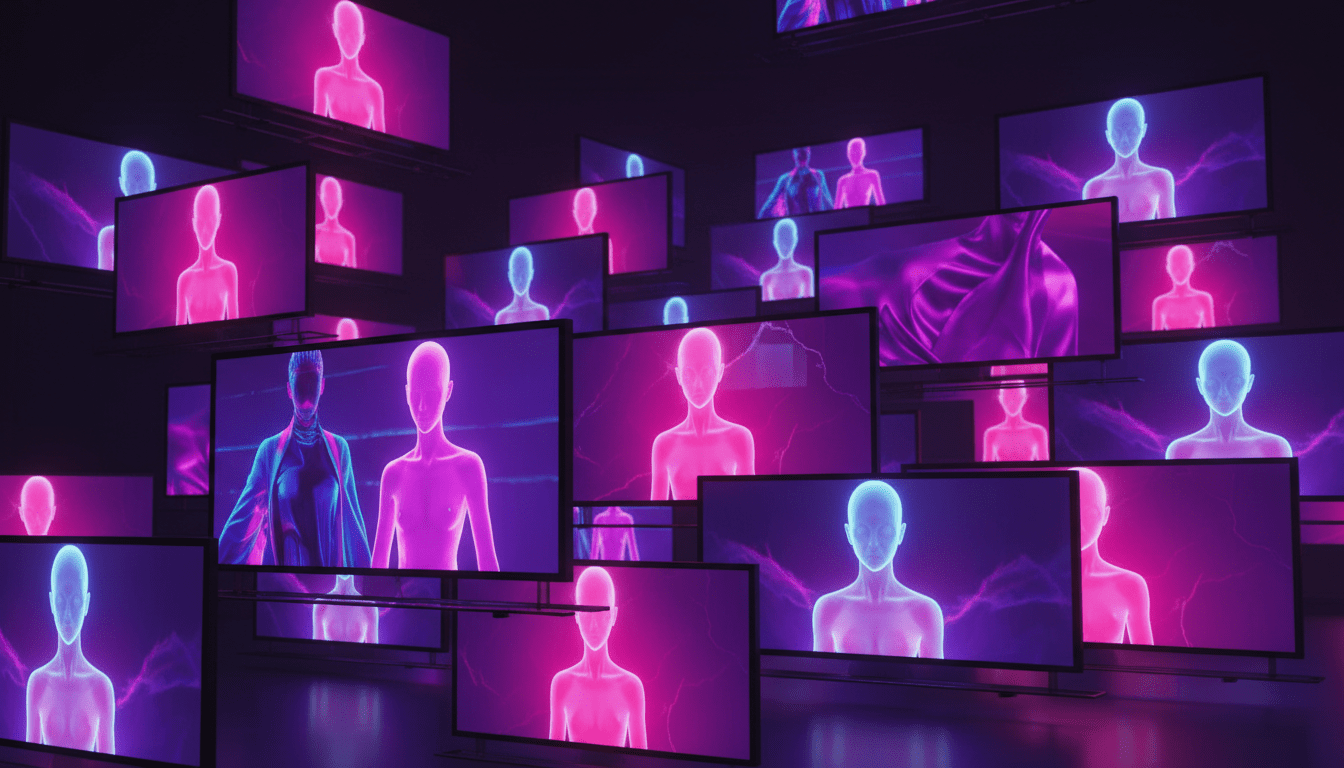
In the last two decades, the boundary between adult-oriented content and mainstream media has become increasingly porous. This phenomenon, often termed the “pornification” of culture, refers to the migration of aesthetics, language, and behavioral norms from the adult industry into fashion, advertising, music, and social media. While once confined to the fringes of society, these hyper-sexualized tropes now dominate our digital feeds, shaping how we perceive beauty, success, and ourselves.
This shift is not merely a change in fashion; it is a profound sociological transformation. As hyper-idealized and often surgically or digitally enhanced bodies become the “standard” for visibility, the impact on individual body image and collective mental health has reached a critical point. In this article, we explore the roots of this trend, its manifestation in modern media, and the psychological toll it takes on a society that is “always on.”
Defining the “Pornification” of Culture
The term “pornification” was popularized by sociologists and cultural critics to describe the process by which sexualized imagery becomes a primary mode of communication in the public sphere. It is characterized by the “mainstreaming” of adult industry aesthetics—think of the rise of “baddie” culture on Instagram, the normalization of extreme cosmetic procedures, and the use of provocative imagery to sell everything from high-end perfume to fast food.
The Role of the Digital Revolution
The catalyst for this shift was undoubtedly the internet. Before the digital age, adult content was physically separated from the mainstream—sold in specific stores or aired late at night. Today, the same device used for work, education, and family connection provides instant access to hyper-sexualized content. This proximity has led to a “trickle-up” effect, where the visual language of the adult industry informs the creative direction of mainstream influencers and brands.
From Subculture to Mainstream
We see this evolution in several key areas:
- Fashion: The rise of “lingerie as outerwear” and the popularity of hyper-revealing silhouettes.
- Music Videos: The increasing reliance on explicit choreography and imagery to drive views and virality.
- Social Media: The “Instagram Face” phenomenon, where users adopt a specific, homogenized look characterized by features often associated with adult industry stars.
The Impact on Body Image: The Pursuit of the Hyper-Real
One of the most significant consequences of cultural pornification is the distortion of body image. When the primary images we consume are hyper-sexualized and digitally perfected, the “average” human body begins to feel like a failure.
The Rise of the “Hyper-Real”
In the world of adult media and high-gloss social media, bodies are often “hyper-real”—they are more perfect than nature allows. Through a combination of lighting, professional makeup, surgical enhancement, and heavy digital editing (like Facetune or AI filters), these images present a standard that is physically impossible for most people to achieve.
The Psychological Toll
Research has consistently shown a link between the consumption of idealized media and body dissatisfaction. According to a study published in the Journal of Youth and Adolescence, frequent exposure to sexualized media is associated with increased self-objectification—the tendency to view one’s body as an object to be evaluated by others rather than a functional, living entity.
| Impact Area | Description | Long-term Consequence |
|---|---|---|
| Self-Objectification | Viewing oneself primarily through the lens of physical attractiveness. | Decreased self-esteem and increased anxiety. |
| Body Dissatisfaction | Chronic unhappiness with one’s natural appearance. | Higher rates of eating disorders and body dysmorphia. |
| Normalization of Surgery | Viewing invasive cosmetic procedures as “standard maintenance.” | Financial strain and potential health risks. |
The “Influencer” Effect and Social Media Algorithms
Social media platforms like Instagram and TikTok have accelerated the pornification of culture through their algorithmic structures. These platforms prioritize engagement, and historically, sexualized content—often referred to as “thirst traps”—generates higher click-through rates and likes.
The Feedback Loop
When an influencer posts a sexualized image and receives thousands of likes, the algorithm pushes that content to more people. Other creators, seeing this success, replicate the aesthetic to grow their own following. This creates a feedback loop where hyper-sexualized content becomes the dominant visual currency of the platform.
The Impact on Youth
For younger generations, who are digital natives, this is the only reality they have ever known. When their role models and peers are constantly presenting a sexualized version of themselves, the pressure to conform is immense. This can lead to a premature “sexualization” of childhood and adolescence, where value is tied to one’s ability to perform a specific aesthetic.
Expert Insights: Navigating the Saturated Landscape
Psychologists and sociologists warn that we are living in an era of “visual overload.” Dr. Sarah Thompson, a clinical psychologist specializing in body image, notes:
“We are the first generation of humans to be constantly bombarded with images of ‘perfect’ strangers. Our brains aren’t wired to distinguish between a filtered image on a screen and a real person standing in front of us. This creates a constant, subconscious state of comparison that is incredibly damaging to our sense of self.”
Practical Tips for Digital Wellness
To combat the negative effects of cultural pornification, experts suggest several strategies:
- Curate Your Feed: Actively unfollow accounts that make you feel inadequate or that promote unrealistic beauty standards.
- Practice Media Literacy: Remind yourself that what you see online is a “highlight reel” often enhanced by professional tools.
- Focus on Functionality: Shift your focus from how your body looks to what it can do (e.g., running, dancing, breathing, creating).
- Digital Detours: Take regular breaks from social media to reconnect with the physical world and real-life interactions.
The Business of Beauty: Who Profits?
It is important to recognize that the pornification of culture is not an accidental trend; it is a highly profitable business model. The beauty, fashion, and cosmetic surgery industries thrive on insecurity. By constantly moving the goalposts of what is considered “attractive,” these industries ensure a steady stream of consumers looking for the next product or procedure to “fix” themselves.
The Commodification of the Self
In this landscape, the body becomes a commodity. We are encouraged to “brand” ourselves, and in a crowded digital marketplace, sexualization is often the fastest way to gain attention. This commodification strips away the complexity of human identity, reducing individuals to a set of physical attributes.
FAQ: Understanding Cultural Pornification
Q1: Is “pornification” just about the adult industry?
A: No. While it draws aesthetics from the adult industry, it refers to the broader trend of hyper-sexualization in mainstream media, including fashion, advertising, and social media.
Q2: How does this trend affect men?
A: While much of the focus is on women, men are increasingly affected by hyper-idealized standards. The rise of “bigorexia” (muscle dysmorphia) and the pressure to achieve a specific “shredded” physique are direct results of similar media trends.
Q3: Can we reverse this trend?
A: While we cannot “turn off” the internet, we can promote media literacy and support brands and creators who prioritize authenticity and diversity. Collective consumer choices can shift the market toward more realistic representations.
Conclusion: Reclaiming the Narrative
The pornification of modern culture is a complex phenomenon with deep roots in technology, economics, and psychology. By recognizing how these trends influence our perception of body image, we can begin to reclaim our narrative. Beauty is not a monolithic, hyper-sexualized standard found on a screen; it is a diverse, functional, and deeply personal experience.
As we navigate this saturated digital landscape, the most radical act we can perform is to accept ourselves as we are—unfiltered, unedited, and authentically human.